How can we understand the hidden connections between marine organisms? Through marine molecular ecology, a field that applies genetic and molecular tools to ecological questions to understand their population structure, evolution, adaptation, and interactions within ecosystems.
Breaking Down Marine Molecular Ecology
At its core, ecology studies the interaction of species in relation to other species and their environment. Taking this a step further by examining these interactions on a molecular level through DNA, RNA, nucleic acid, and proteins.

How Molecular Ecology Connects to Evolution
Organisms are constantly passing genetic information from one generation to the next. Evolutionary processes such as natural selection, gene flow, genetic drift, and mutation shape the genetic makeup of marine populations. Molecular tools help track these changes over time by analyzing:
- Population Structure & Gene Flow: Identifying how marine populations are connected or isolated based on genetic markers.
- Adaptation & Selection: Understanding how genetic variations contribute to survival in different marine environments (e.g., temperature, salinity, oxygen levels).
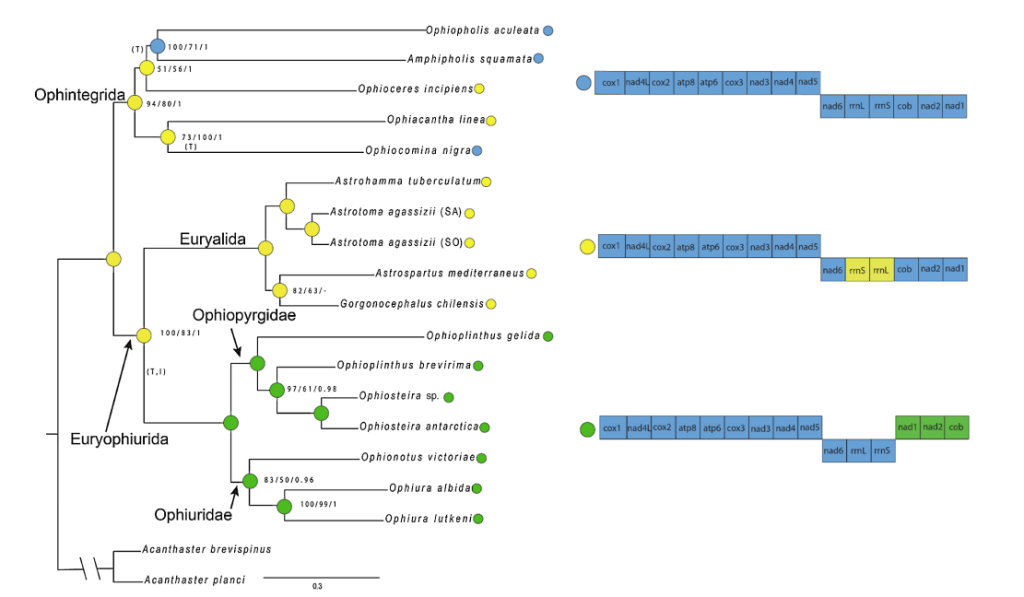
- Phylogenetics & Evolutionary History: Reconstructing evolutionary relationships among species by comparing their genomes.
What Can Molecular Tools Reveal?
- Population and Evolutionary Genetics
- Understanding genetic variation within and between populations helps track migration patterns, assess genetic diversity, and identify evolutionary adaptations.
- Genomics
- The study of entire genomes, uncovering how organisms evolve and adapt to environmental changes.
- Epigenetics
- Examines how environmental factors influence gene expression, crucial for understanding responses to climate change and pollution.
- Transcriptomics
- By analyzing RNA, we can determine which genes are actively expressed in an organism under different conditions, providing insight into how they respond to stress, disease, or habitat shifts.
- Proteomics
- The study of proteins reveals how molecular mechanisms drive biological functions, including metabolism, immune responses, and adaptation to extreme marine environments.
- Phylogeography
- Traces the historical movement and distribution of species using genetic data, offering insights into how past climate events shaped present-day marine biodiversity.
- Behavioral ecology
- Behavioral interactions between individuals within populations and communities.
- By linking genetics to behavior, we can study social structures, mating systems, and communication among marine species, such as the vocalizations of whales or the cooperative hunting strategies of fish.
- Microbial ecology
- Help uncover their roles in nutrient cycling, symbiosis, and even climate regulation.
- Conservation biology
- Study the conservation of nature and of Earth’s biodiversity with the aim of protecting species, their habitats, and ecosystems from excessive rates of extinction and the erosion of biotic interactions.
- Molecular tools aid in the design and management of Marine Protected Areas (MPAs) by identifying genetically distinct populations, tracking illegal wildlife trade, and assessing ecosystem resilience.
- Systematics and Species diversity
- DNA barcoding and genomic analysis help classify species, resolve taxonomic mysteries, and even discover new species, expanding our understanding of marine biodiversity.
Why Marine Molecular Ecology Matters
As climate change, overfishing, and habitat destruction threaten ocean ecosystems, marine molecular ecology provides powerful tools for conservation and management. By decoding the genetic and molecular makeup of marine life, we can make informed decisions to protect vulnerable species, restore habitats, and maintain the delicate balance of ocean ecosystems.
Join the Conversation!
Share your thoughts in the comments, ask questions, or let me know what topics you’d love to explore next. If you enjoyed this post, don’t forget to stay connected.
You can also connect with me on Instagram for more marine science, diving adventures, and conservation insights.

 Moms Beneath the Blue
Leave a comment